

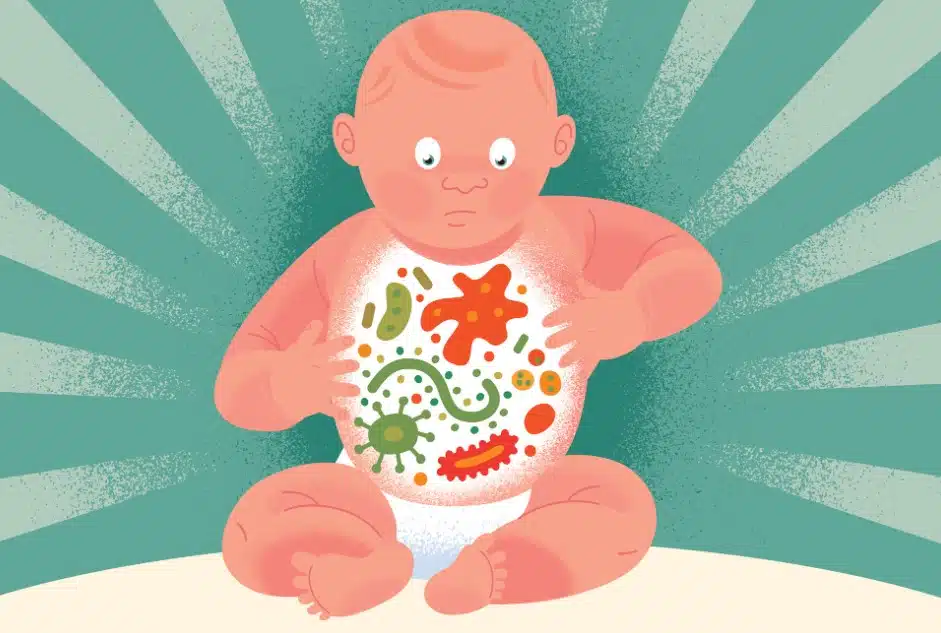
A growing body of scientific evidence shows that sending babies to nursery does more than help them learn and socialise. It also plays a powerful role in shaping their gut microbiome the community of bacteria and microbes that supports digestion, immunity, and overall health.
A new study published in the prestigious journal Nature has found that babies who attend nursery begin sharing gut bacteria with other children within just a few weeks. These microbial exchanges significantly increase the diversity of their microbiome, which is considered a key marker of good health.
Babies pick up microbes from each other
The research followed 43 infants in Trento, Italy, during their first year of nursery. The babies were around 10 months old when the study began and had never met before. This made it easier for scientists to track how new bacteria entered their bodies once they started spending time together.
Researchers collected stool samples from the babies before they joined nursery and then every week during the school term. They also tested samples from parents, siblings, nursery staff, and even family pets.
Within just one month, babies had already begun sharing bacteria with each other. After four months, children attending the same nursery shared between 15% and 20% of their gut microbes. This was more than what they had gained from their own families over the same period.
Why the microbiome is so important
A baby is born with very few gut bacteria. These microbes start to build up after birth, mainly from the mother. Over time, the microbiome helps break down food, absorb nutrients, train the immune system, and protect against harmful germs.
A diverse microbiome is healthier and more stable. The study shows that early social contact with other babies is one of the most effective ways to build that diversity.
Nursery life speeds up microbial growth
At nursery, babies crawl, touch shared toys, sit close together, and often put objects in their mouths. This close contact allows bacteria to move easily from one child to another.
Scientists also found that bacteria do not just move between babies. In some cases, microbes travelled from a parent to a baby, from that baby to another child at nursery, and then back into a different household.
One example involved a beneficial bacterium called Akkermansia muciniphila. It moved from a mother to her baby, then to another child at nursery, and later to that child’s parents. This shows how nurseries act as hubs for microbial exchange.
The role of siblings
The study found that babies who had brothers or sisters already had more diverse microbiomes before joining nursery. Because they were already exposed to more germs at home, they picked up fewer new bacteria from nursery classmates.
In contrast, babies without siblings gained more microbes from their peers, showing that nursery plays an even more important role in their microbial development.
Long-term health benefits
Early exposure to a wide range of microbes helps train the immune system. Scientists believe this can reduce the risk of allergies, asthma, and autoimmune diseases later in life.
A strong microbiome also improves digestion and helps the body fight harmful bacteria and viruses.
According to researchers, the first year of life is a critical window for microbiome development. During this time, social contact at nursery can have lasting effects on a child’s health.
More than just playtime
While nurseries are known for helping children develop social and learning skills, this study shows they also play a hidden biological role. By allowing babies to interact closely, nurseries help build stronger and more balanced gut ecosystems.
In simple terms, when babies make friends, their microbes do too and that can make a lifelong difference.