

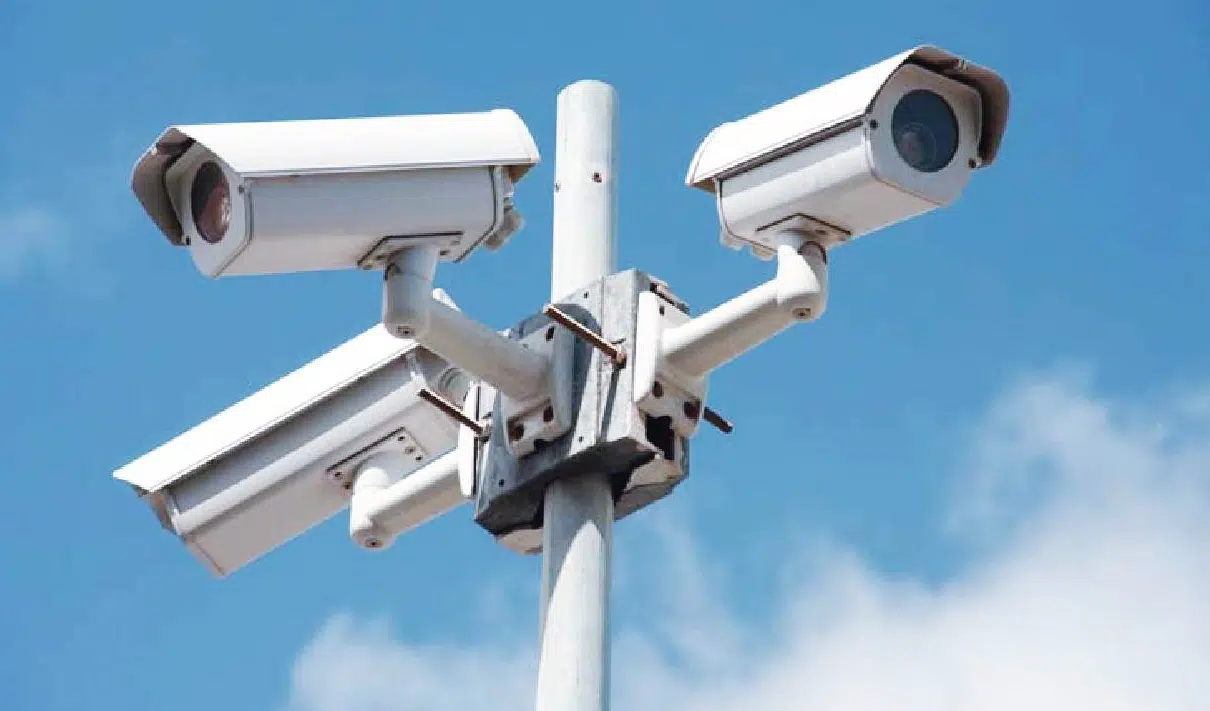
The Delhi government has unveiled an ambitious plan to enhance women’s safety and monitor high-risk areas in the city through a 24×7 CCTV surveillance network. The project, estimated to cost Rs 646.41 crore, aims to modernize existing systems, fill in security gaps, and improve the overall efficiency of law enforcement in Delhi.
Currently, the city has over 2.5 lakh CCTV cameras installed and maintained by the Public Works Department (PWD). To strengthen surveillance, the government plans to add 50,000 new cameras across various locations, particularly targeting dark spots and crime-prone areas.
Central Command Centre for Real-Time Monitoring
The PWD is planning a state-of-the-art Command Control Centre at the MSO building in ITO. This centre will allow Delhi Police direct access to live feeds and manage security incidents efficiently. The final location may be adjusted based on the Delhi Police’s recommendations.
The Command Control Centre will be equipped with:
- Four dashboard and incident modules for real-time monitoring
- Network management and recording servers with failover support
- Streaming servers for uninterrupted live feed
- Automatic Number Plate Recognition (ANPR) servers with high storage capacity
- Firewalls, UPS, and other security infrastructure
This system ensures instant communication between field officers and the monitoring team, improving response time to emergencies.
Advanced CCTV Technology
The project will install:
- 49,900 IP bullet CCTV cameras with 512 GB SD cards for high-resolution recording
- 100 ANPR cameras with 4-megapixel resolution and infrared night vision, capable of monitoring up to 100 meters
- Protective cages mounted on poles to safeguard the cameras from tampering
- Solar-powered systems with lithium-ion batteries, providing a minimum 14-hour backup for areas without electricity
This advanced technology will allow law enforcement to track vehicles, identify suspects, and respond quickly to incidents, especially in areas with poor visibility at night.
Budget Allocation and Long-Term Maintenance
In her first budget speech, Chief Minister Rekha Gupta allocated Rs 100 crore for CCTV installation. The PWD has pegged the total project cost at Rs 646.41 crore, which includes third-party quality assurance, contingencies, and cess charges.
Maintenance for the cameras over the next five years is estimated as follows:
- FY 2025-26: Rs 50 crore
- FY 2026-27: Rs 300 crore
- FY 2027-28: Rs 93.84 crore
- FY 2028-29: Rs 50.65 crore
- FY 2029-30: Rs 50.65 crore
- FY 2030-31: Rs 50.65 crore
- FY 2031-32: Rs 50.62 crore
Officials emphasized that this long-term investment will ensure that cameras remain functional, and the surveillance system remains effective for years to come.
Why the Project Matters
Delhi has faced challenges in ensuring women’s safety, particularly in poorly lit areas and remote locations. By eradicating dark spots and strengthening real-time monitoring, this project aims to:
- Reduce the incidence of crimes against women
- Provide timely law enforcement response
- Improve public confidence in city safety
- Track vehicles and prevent illegal activities through ANPR technology
This initiative is part of a broader city safety and smart infrastructure plan, showing the government’s commitment to modern, tech-driven governance.
Impact on Women’s Safety
With 50,000 additional cameras, Delhi is set to become one of the most monitored cities in India. Women commuting at night or living in areas previously considered unsafe will benefit significantly. The real-time monitoring and automated systems will enable Delhi Police to identify suspicious activities and respond quickly, potentially reducing crime rates in the city.
Experts also believe that visible CCTV presence acts as a deterrent, reducing crimes before they occur.
Conclusion
The Delhi government’s Rs 646-crore CCTV surveillance project is a significant step toward a safer city, especially for women. By combining modern technology, long-term maintenance plans, and a central monitoring system, the city aims to create a safe and secure environment for its citizens.
As the project rolls out, residents can expect improved law enforcement response, enhanced monitoring, and safer public spaces across Delhi.