

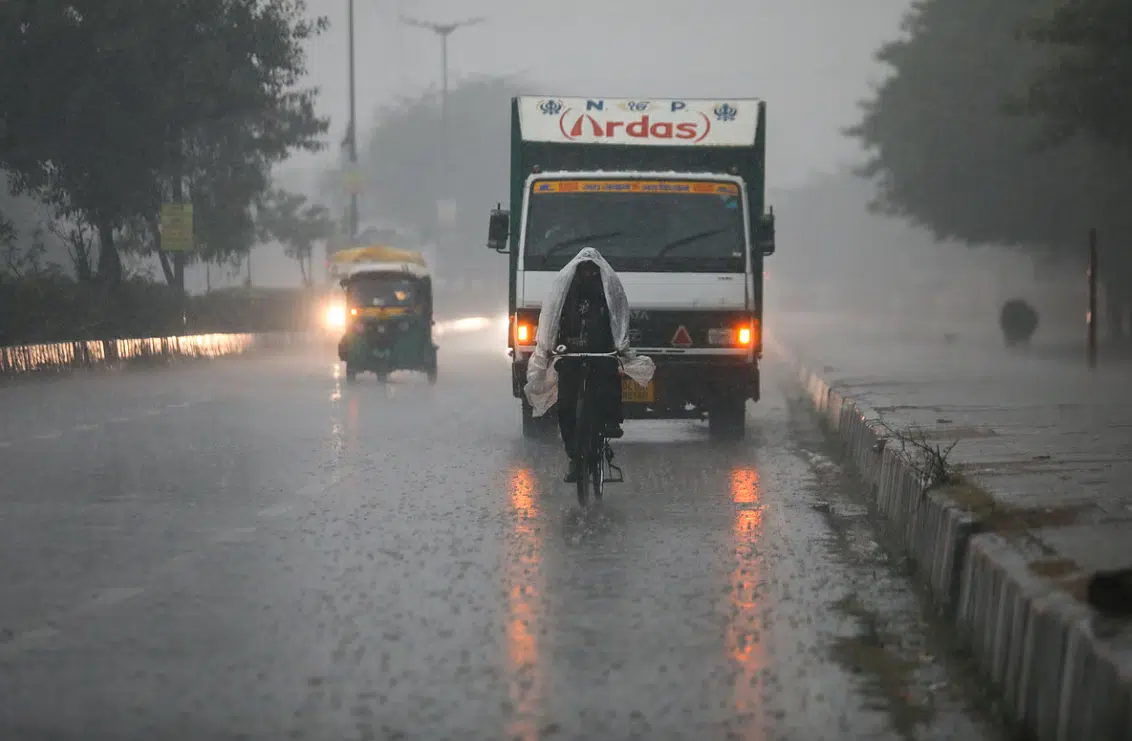
Delhi woke up to a moderately foggy morning on Thursday, offering a short break from the thick winter haze that has covered the city over the past few days. As visibility improved after sunrise, residents experienced clearer skies. However, the relief was temporary, as air quality across the capital continued to remain in the “very poor” category.
AQI Remains a Major Concern in Delhi
According to official data, the overall Air Quality Index (AQI) was recorded at 337 around 6 am, placing it firmly in the very poor category. PM2.5 particles were identified as the main pollutant, posing serious health risks to the population.
Although weather conditions helped disperse some surface haze, pollution levels stayed high in many areas of the city, especially during early morning hours.
Cold Wave Conditions Persist
At the same time, cold wave conditions continued across Delhi, with low temperatures adding to winter discomfort. The India Meteorological Department (IMD) has advised residents to remain cautious, particularly during early mornings and late nights when temperatures drop sharply.
How Fog Affects Visibility in Delhi
Fog significantly reduces visibility in Delhi, often bringing it down below 200 metres. This can disrupt daily life by affecting road travel, train schedules, and flight operations. During dense fog conditions, the IMD issues alerts to warn commuters of possible delays and safety risks.
As a result, motorists and pedestrians are advised to drive slowly, use fog lights where necessary, and avoid unnecessary travel during peak fog hours.
Health Impact of High PM2.5 Levels
High PM2.5 levels are known to cause breathing discomfort, coughing, eye irritation, and fatigue. Prolonged exposure can worsen respiratory and heart-related conditions. Children, elderly people, and those with asthma or lung diseases are especially vulnerable during such pollution episodes.
Precautions Residents Should Take
Given the poor air quality, health experts recommend:
- Limiting outdoor activities, especially in the morning
- Wearing masks while stepping outside
- Keeping indoor air clean with ventilation or air purifiers
- Staying hydrated and following medical advice if symptoms appear
Outlook for the Coming Days
While clearer mornings may continue intermittently, air quality is expected to remain a concern unless strong winds or rainfall occur. Authorities continue to monitor pollution levels and urge residents to stay informed through official updates.