
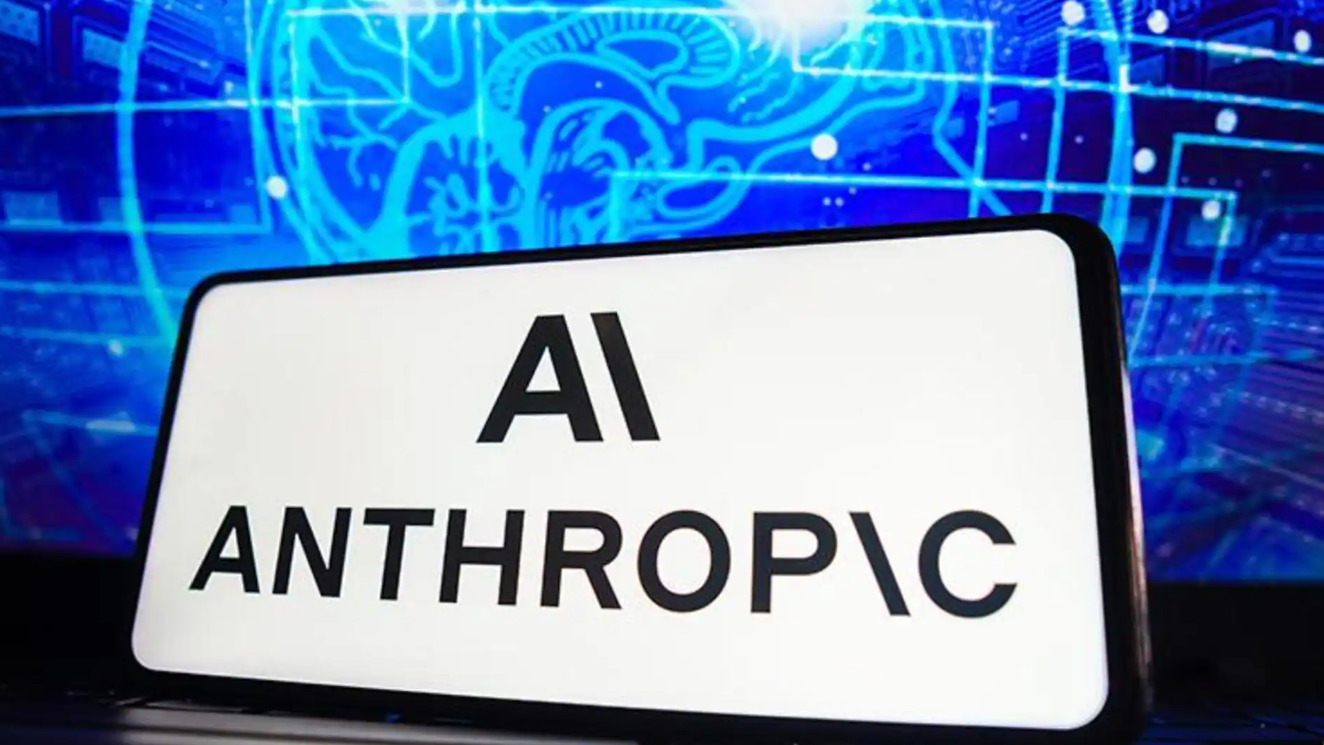
Tensions are rising between the U.S. Department of Defense (Pentagon) and AI company Anthropic over how artificial intelligence tools should be used by the military.
At the center of the dispute is Anthropic’s AI model, Claude, and whether the Pentagon should be allowed to use it for “all lawful purposes,” including weapons development and battlefield operations.
This debate highlights a larger global question: How far should AI companies go in supporting military use while maintaining ethical safeguards?
What Sparked the Disagreement?
According to reports, the Pentagon has asked several AI companies to allow the military to use their tools broadly for national security missions. These uses may include:
- Intelligence gathering
- Strategic planning
- Cybersecurity analysis
- Battlefield decision support
- Weapons development research
However, Anthropic has insisted on keeping certain restrictions in place. The company says its models should not be used for fully autonomous weapons or mass surveillance.
Because of these limits, the Pentagon is reportedly considering ending or scaling back its relationship with the company.
Claude’s Reported Role in Military Operations
Reports suggest that Claude was accessed through Anthropic’s partnership with Palantir Technologies for military-related analysis.
There were also claims that Claude supported intelligence efforts connected to operations involving Nicolás Maduro, the former Venezuelan president. However, Anthropic has stated it did not discuss specific operational uses publicly and maintains that all use must follow its safety policies.
Why This Matters
This dispute is not just about one contract. It reflects a broader challenge in the AI industry.
Government Needs
The Pentagon wants reliable AI tools that can support defense missions without complicated usage limits.
Tech Company Ethics
Companies like Anthropic aim to prevent misuse of advanced AI systems, especially in sensitive areas such as autonomous weapons.
Global AI Governance
As AI becomes more powerful, governments and companies must decide how to balance innovation, security, and responsibility.
Other AI Companies Involved
Anthropic is not the only AI company working with the Pentagon. Other major players in AI development are also engaged in defense-related partnerships. Some companies appear more flexible in adjusting their usage policies to meet military requirements.
This creates competitive pressure in the fast-growing defense AI market.
The Bigger Picture: AI in Defense
Artificial intelligence is rapidly becoming a core part of modern defense systems. It can:
- Process vast amounts of intelligence data
- Detect cyber threats in real time
- Improve logistics and supply chain operations
- Support faster decision-making in crisis situations
At the same time, experts warn that unchecked AI deployment could raise ethical and security risks.
What Could Happen Next?
There are three possible outcomes:
- The Pentagon and Anthropic reach a compromise.
- The Pentagon reduces its reliance on Claude.
- The Pentagon shifts fully to other AI providers.
Whatever the result, this situation shows how AI policy is evolving in real time.
Conclusion
The Pentagon Anthropic dispute represents a key moment in the future of AI and national security. On one side is the need for powerful tools to protect national interests. On the other is the responsibility to ensure AI systems are not used in harmful or uncontrolled ways.
As AI continues to shape defense strategies worldwide, similar debates are likely to emerge between governments and technology firms.